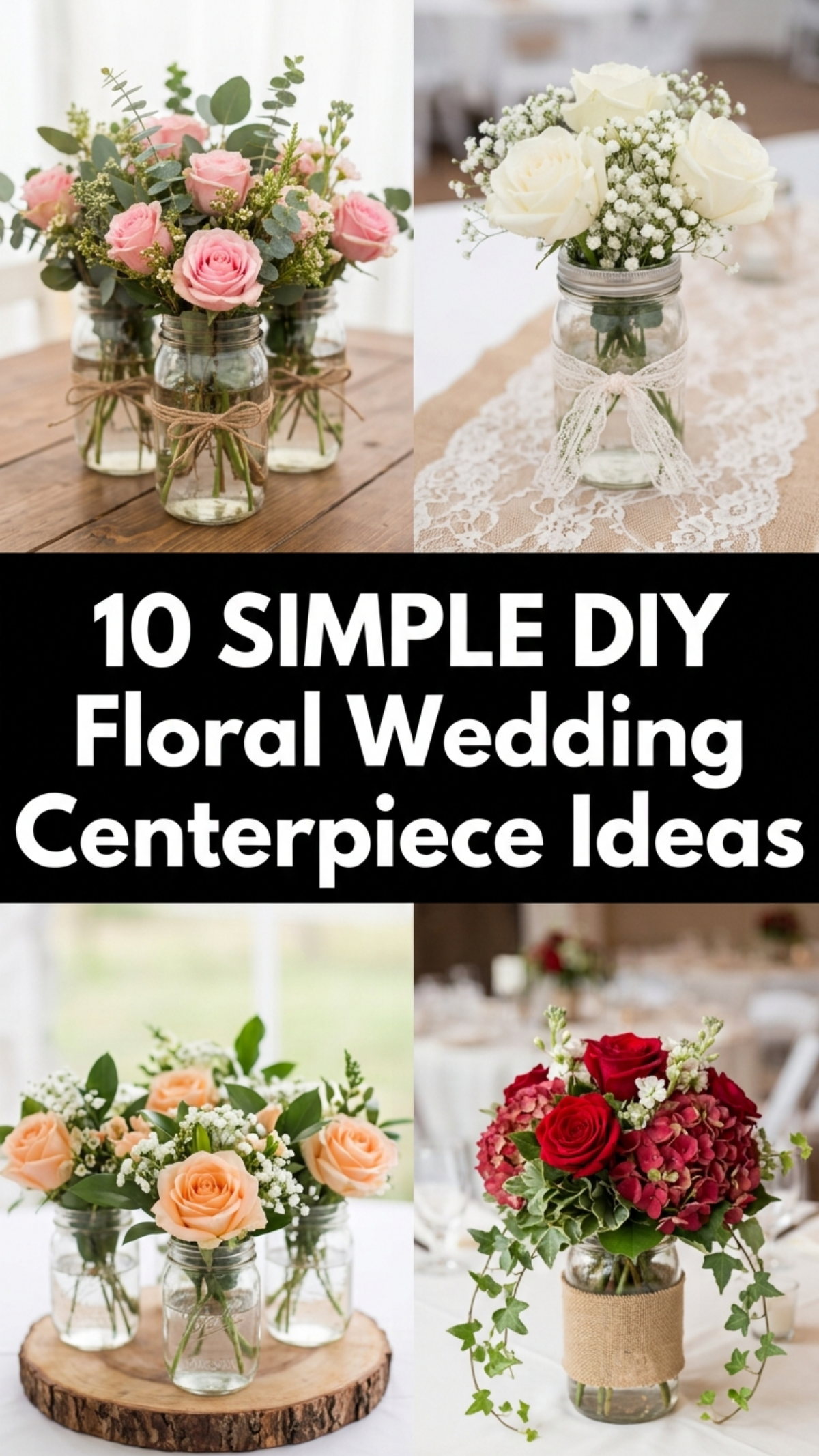
Designing handcrafted wedding reception tables allows couples to establish an intentional aesthetic while maintaining practical control over their event styling. Floral centerpieces serve as the primary visual anchor…
Designing handcrafted wedding reception tables allows couples to establish an intentional aesthetic while maintaining practical control over their event styling. Floral centerpieces serve as the primary visual anchor for reception tables, framing guest sightlines, complementing place settings, and reinforcing the overall color palette. This comprehensive guide details ten distinct floral centerpiece concepts, providing direct instruction on stem processing, structural mechanics, architectural balance, and vessel selection. Readers will discover how to execute sophisticated designs ranging from architectural single-stem groupings to sprawling, water-fed greenery runners using approachable floristry techniques. Mastering these centerpiece methods eliminates the uncertainty associated with DIY event planning, replacing guesswork with proven floristry fundamentals. Learning to condition fresh botanical materials, manage floral foam alternatives, and balance dominant focal blooms with structural foliage allows planners and couples to achieve balanced, long-lasting displays. Handcrafted arrangements provide personal creative satisfaction while directing styling investments toward premium focal blooms rather than excessive labor fees. By understanding foundational design proportions, water maintenance, and transport strategies, anyone can assemble reception centerpieces that remain fresh, stable, and visually captivating throughout the entire celebration.
Why This Idea Is Trending or Useful
Handcrafted wedding centerpieces consistently dominate modern design inspiration platforms because they offer unmatched creative flexibility, tangible cost efficiency, and authentic visual appeal. Contemporary couples increasingly prioritize intentional event styling, shifting away from generic catalog packages in favor of customized tablescapes that reflect their personal aesthetic. DIY floral arrangements provide the freedom to curate specific regional botanical combinations, experiment with vintage vessels, and balance contemporary minimalist design with rich organic textures. The accessibility of wholesale fresh-cut flowers and professional mechanics has eliminated previous technical barriers, empowering beginner planners to create professional-grade arrangements with confidence. Furthermore, the modern aesthetic emphasizes loose, natural garden silhouettes rather than rigid, overly compact domes, making DIY execution far more forgiving and artistically rewarding for beginners. Crafting table displays by hand also allows hosts to allocate resources efficiently, investing directly in premium seasonal focal flowers while sourcing cost-effective greenery and textural accent stems. This balanced approach combines straightforward assembly protocols with elevated visual storytelling, ensuring every reception table delivers high aesthetic value without requiring commercial floral services.
Materials and Preparation
Successful floral design relies on deliberate preparation, reliable structural tools, and rigorous post-harvest botanical conditioning. Essential supplies include sharp floral bypass shears, clean floral snips, waterproof anchor tape, floral chicken wire, pin frogs, clean buckets, and designated vessels suited to your selected style. Prior to arranging, thoroughly sanitize all buckets, cutting tools, and containers with warm water and a mild bleach solution to eliminate stem-clogging bacteria. Upon collecting fresh cut flowers, trim every stem at a forty-five-degree angle under cool running water, immediately placing them into clean buckets filled with lukewarm water and floral nutrient solution. Strip away all submerged foliage to prevent microbial contamination and water cloudiness, allowing the stems to hydrate undisturbed in a dark, climate-controlled space for several hours before assembly. Planning requires precise botanical stem counts calculated with a fifteen-percent safety buffer to accommodate natural shipping damage, broken heads, or unexpected structural replacements. Arrange all vessels and mechanics on level, clean work surfaces, ensuring every container is securely weighted, filled with fresh water, and pre-taped before handling delicate focal blooms.
Idea 1: Architectural Mono-Botanical Bud Vase Cluster
Step-by-Step Guide
The architectural mono-botanical bud vase cluster utilizes repetitive groupings of varied glass vessels, each displaying a single, pristine stem or miniature branch. This approach translates minimalist style into an expansive table landscape by deconstructing traditional dense centerpieces into airy, interactive botanical vignettes. Grouping narrow vessels along the table center creates continuous rhythm, allowing guests to appreciate the unique silhouette, petal texture, and stem curvature of each specimen. Clear fluted glass, amber apothecary bottles, or ceramic vessels provide varied elevation without obstructing cross-table visibility or dining conversation. Using single flower varieties—such as open garden roses, Japanese sweet peas, ranunculus, or stem-cut cosmos—celebrates the distinct structural form of individual blooms. The negative space between bottles reflects ambient lighting across glassware, producing a refined, uncluttered presentation ideal for elongated banqueting layouts or intimate rectangular configurations.
Begin by selecting an odd number of mismatched vases per table, ranging in height between four and nine inches with slender neck openings. Fill each vessel three-quarters full with fresh water mixed with commercial floral preservative to nourish the individual stems throughout the event. Select your primary focal blooms, cutting each stem at varied lengths to create staggered visual heights when distributed across the table surface. Strip lower leaves completely, leaving only clean green stems beneath the waterline and minimal upper foliage directly supporting the blossom. Arrange five to seven bottles in loose, serpentine clusters down the center of each table, weaving the vessels around votives or table numbers. Position your tallest stems toward the center of each grouping, letting delicate secondary flowers flare outward at natural, relaxed angles.
Idea 2: Low-Profile Footed Compote Garden Bowl
How to Create
The low-profile footed compote bowl provides an organic, garden-inspired silhouette that cascades softly toward the table linens while maintaining critical conversation sightlines. Centered on an elevated ceramic or cast-metal pedestal, this arrangement allows botanical materials to arch outward horizontally, creating dynamic asymmetry and visual depth. Incorporating textural elements—such as trailing jasmine vine, seeded eucalyptus, and ruffled garden roses—establishes a balanced contrast between structured focal flowers and loose greenery. The footed compote elevates the composition slightly off the tabletop, creating room for layered votives, menu cards, and textile runners below the perimeter foliage. This design mimics the natural growing patterns of woodland flora, delivering a romantic, artful presentation that complements rustic barns, historic estates, and modern greenhouse venues alike.
Prepare a six-inch footed compote bowl by cutting a circle of coated floral chicken wire twice the diameter of the container opening. Dome the wire into a rounded cage, pressing it firmly into the bowl, and anchor it across the rim with waterproof tape. Pour conditioned water into the bowl until it reaches one inch below the rim, then establish your base perimeter with structural foliage. Insert stems of salal, olive branch, or Italian ruscus at horizontal angles around the lower edge, disguising the mechanics and framing the table surface. Add two or three dominant focal flowers, such as dinnerplate dahlias or hybrid tea roses, positioning them slightly off-center at varying depths within the cage. Fill remaining interior voids with secondary spray roses, astrantia, and airy textural branches, ensuring every stem enters the water reservoir securely.
Idea 3: Elevated Metal Pedestal Floral Cloud
Execution Process
The elevated metal pedestal floral cloud introduces dramatic vertical scale to ballrooms and expansive reception halls without consuming valuable tabletop dining surface. Supported by an ultra-slender iron stand or clear acrylic riser, this suspended arrangement positions billowing botanical clusters above eye level. The design features cloud-like distributions of textured greenery, hydrangeas, delphiniums, and cascading foliage that soften high industrial ceilings or elaborate architectural detailing. By concentrating the floral mass twenty-four inches above the tabletop, the slender supporting riser preserves unobstructed sightlines for seated diners while anchoring the room’s upper third. This dramatic vertical staging transforms simple rectangular or circular tables into immersive botanical environments, producing an atmospheric, luxurious visual presentation.
Secure an elevated metal riser featuring a flat upper mounting plate, ensuring the base is sufficiently weighted for complete structural stability. Fasten a heavy-duty plastic floral saucer onto the top plate using industrial double-sided adhesive tape and structural zip ties for redundancy. Secure thoroughly soaked floral mechanics, such as a water-holding structural pillow framed with chicken wire, inside the top container with floral tape. Begin insertions by establishing a downward cascading skirt of hanging amaranthus, weeping eucalyptus, and trailing ivy along the base plate rim. Insert sturdy structural blooms—such as standard hydrangeas, snapdragons, and long-stemmed stock—into the core mechanics to establish vertical height and lateral breadth. Complete the arrangement by nesting premium focal blooms into the central perimeter, misting the entire installation with hydration spray after assembly.
Idea 4: Floating Blossom and Submerged Stem Cylinder Trio
Setup Method
The submerged cylinder trio combines clean geometric glass columns, luminous floating candles, and encapsulated fresh flowers into an elegant water-based installation. Submerging whole stems within pristine water magnifies delicate floral details while refracting candlelight across the table surface, creating an ambient evening display. This centerpiece structure resists wilting effectively because the botanical materials remain completely encapsulated in cold, oxygen-balanced water throughout the event. Using three staggered glass cylinders of distinct heights establishes balanced geometric proportion, making this concept adaptable to both square tables and long banquet tables. Stems of white cymbidium orchids, calla lilies, or long-stemmed tulips provide structural beauty and withstand total water submersion without shedding petals or clouding the column.
Acquire heavy-bottomed, clear glass cylinder vases measuring eight, ten, and twelve inches in height, thoroughly cleaning the interior glass to prevent streaking. Fasten a clean metal floral pin frog or small glass pebble weight to the base of each flower stem to maintain vertical positioning underwater. Insert the anchored botanical specimen into the cylinder, positioning long stems straight along the vertical axis or coiling flexible stems within the base. Slowly fill each cylinder with distilled or dechlorinated water to avoid interior air bubble formation along the petals and inner glass walls. Pour water up to two inches below the vessel rim, allowing the submerged floral tissue to settle naturally without floating upward. Place a clean, smooth-edged floating wax disc on the top water surface, lighting the cotton wick immediately prior to guest arrival.
Idea 5: Continuous Fresh Foliage and Citrus Table Runner
How to Make
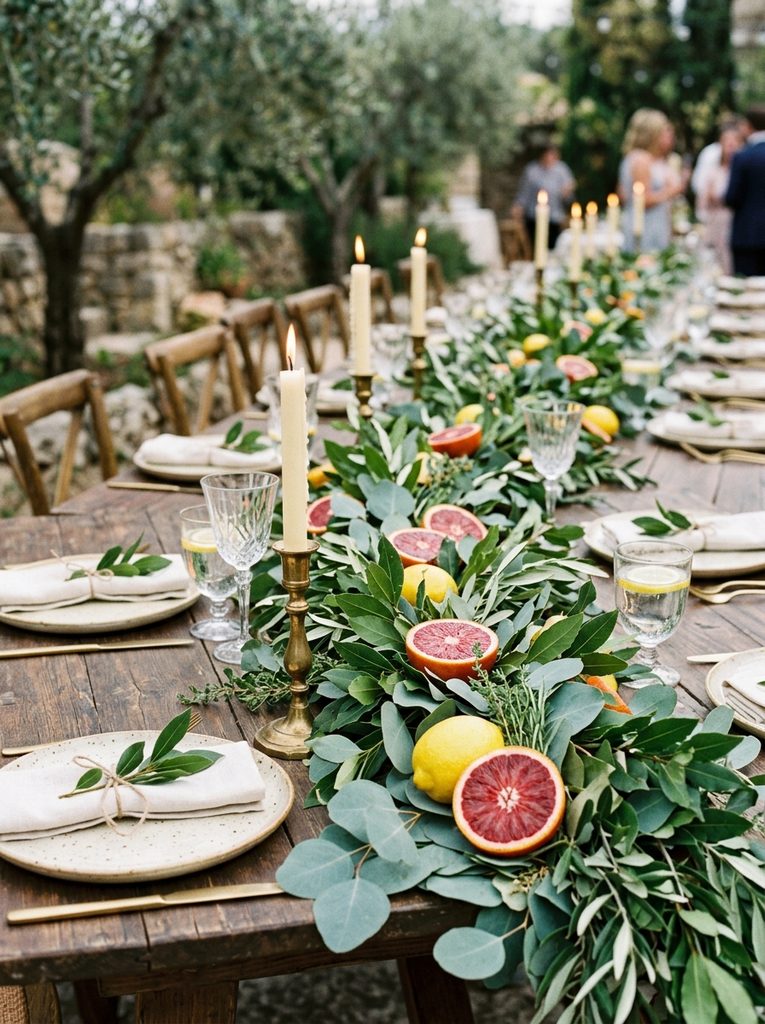
The continuous fresh foliage and citrus runner provides a lush, grounded centerpiece that extends down the entire length of rectangular banquet tables. Blending mixed varieties of cut greenery with freshly halved seasonal citrus fruits yields an abundant, Mediterranean-inspired display rich in tactile depth and natural fragrance. By omitting high vertical structures, this low-profile arrangement prioritizes open social engagement while transforming standard wooden or linen-draped tables into unified garden landscapes. Layering varying leaf shapes—such as broad salal, feathery plumosus fern, and silver-toned eucalyptus—generates rich visual dimension without requiring single-stem water tubes. Accenting the greenery base with halved blood oranges, ripe pomegranates, and whole lemons introduces vibrant color pops that complement gold cutlery, raw linen, and stoneware place settings.
Begin assembly along the center of the table by unrolling a base runner of preserved sheet moss or neutral textured canvas fabric. Lay down sturdy, non-wilting base branches—such as lemon leaf or bay laurel—arranging stem ends inward to form an interlocking structural spine. Layer softer, decorative foliage over the structural base, allowing stems of spiral eucalyptus and silver dollar greenery to feather outward across the table. Tuck water-filled botanical vials containing resilient secondary blooms, like spray roses or carnations, deep into the foliage layers to maintain hydration. Slice fresh citrus fruits horizontally to expose their decorative interior seed patterns, patting cut surfaces dry with paper towels to absorb excess juice. Distribute the fruit halves alongside whole specimens and taper candles in heavy brass holders, ensuring foliage stays clear of open flames.
Idea 6: Geometric Terrarium with Succulents and Fresh Botanicals
Step-by-Step Guide
The geometric terrarium centerpiece integrates architectural brass frames, sculptural desert succulents, and delicate fresh cut flowers to achieve an eclectic, modern aesthetic. Multifaceted glass lanterns provide clean lines and enclosed protection for fragile blooms while introducing metallic reflections to the reception tablescape. Integrating rooted or cut echeveria rosettes alongside fresh seasonal flowers bridges contemporary urban design with classic wedding floristry. This structured format serves smaller circular or square tables effectively, functioning as a tidy visual anchor that requires minimal water maintenance. The durable nature of succulents ensures the centerpiece maintains its form throughout extended events, while targeted floral insertions introduce soft romantic hues that echo the wedding party bouquets.
Select an eight-to-ten-inch geometric faceted glass terrarium with an antique brass, matte black, or polished gold framework. Line the base interior with a thin layer of decorative river stones, followed by a shallow bed of preserved reindeer or mood moss. Nest three assorted potted or cut succulent rosettes into the moss bedding, orienting their symmetrical faces upward and slightly outward. Cut miniature floral water tubes to short two-inch lengths, filling each with nutrient-enriched water and securing the leak-proof rubber caps tightly. Insert stems of resilient focal blooms—such as ranunculus, lisianthus, or spray roses—into the prepared tubes, burying the plastic reservoirs beneath the moss layer. Position the floral heads snugly around the succulent rosettes, ensuring glass facets remain clean and free from moisture condensation.
Idea 7: Monochromatic Mason Jar Wooden Crate Trough
How to Create
The monochromatic wooden crate trough provides a grounded, rustic design aesthetic suited to farmhouse, garden, or casual outdoor wedding themes. Housing multiple uniform glass jars within a weathered or stained timber trough keeps water reservoirs concealed while maintaining arrangement stability during transport. Selecting a monochromatic floral scheme—such as all-white garden blooms, antique mauve roses, or soft blush varieties—elevates the rustic wooden container into a chic, refined display. The divided mason jar system simplifies assembly, allowing decorators to arrange individual water vessels separately before dropping them into the structural crate. This compartmentalized method prevents tipping, simplifies water replenishment, and makes post-event centerpiece distribution effortless for family, bridal party members, and guests.
Construct or source a narrow wooden box measuring approximately twenty inches long, five inches wide, and four inches deep with an open top. Sand all exterior surfaces smooth, applying an odorless matte walnut stain or white wash finish that complements your chosen reception linens. Place four wide-mouth pint mason jars inside the wooden trough, ensuring they sit flush against the base with tops concealed beneath the rim. Fill each jar two-thirds full with fresh, chilled floral preservative water, placing crisscross grids of clear waterproof tape across jar mouths. Build matching floral clusters in each jar, distributing sturdy greenery around edges before placing central focal stems—such as hydrangeas, peonies, and snapdragons. Slot each arranged jar into the trough sequentially, checking that adjacent foliage blends seamlessly to conceal the internal glass margins.
Idea 8: Minimalist Sculptural Ikebana-Inspired Ceramic Dish
Setup Method
The Ikebana-inspired ceramic dish centerpiece embraces Japanese floral principles of balance, negative space, and deliberate line direction. Utilizing an exposed heavy brass pin frog inside a shallow, matte-glazed ceramic bowl, this design strips away excessive mass to showcase individual stem anatomy. Rather than assembling dense domes, this technique emphasizes asymmetrical line work, contrasting twisted branches with pristine focal flowers to produce a tranquil, intentional aesthetic. The exposed water surface reflects surrounding ambient light, contributing a clean sensory layer to modern minimalist, fine-art, or gallery-style reception venues. Every branch, bud, and blossom is placed with intention, turning the centerpiece into a live sculptural installation that complements refined, contemporary tableware and tailored menu stationery.
Select a wide, shallow ceramic dish with a matte stoneware glaze, choosing neutral tones such as bone white, charcoal, or terra cotta. Position a heavy brass floral pin frog off-center inside the vessel basin, securing it with floral adhesive putty on completely dry surfaces. Pour clean water into the bowl until the brass pins are submerged by half an inch, keeping the outer ceramic rim dry. Select a primary structural branch—such as quince, flowering dogwood, or olive branch—trimming the base cleanly before impaling it firmly onto the pins at an angle. Position a secondary, shorter branch opposite the first to establish visual counterweight, respecting intentional negative space across the container center. Anchor two or three premium open flowers, such as Japanese ranunculus or tree peonies, low near the pin base to ground the composition.
Idea 9: Textured Mixed Herb and Terra Cotta Planter Display
Execution Process
The textured mixed herb and aged terra cotta planter display introduces living botanical elements and subtle culinary fragrance to reception tables. Utilizing living potted materials—such as rosemary topiaries, broadleaf sage, blooming thyme, and silver lavender—provides an organic tablescape that endures extended warm-weather celebrations without wilting. The porous warmth of weathered terra cotta vessels balances formal linen textures with relaxed, provincial charm, making it well-suited for vineyard or outdoor reception dinners. Mixing living potted plants with targeted fresh-cut seasonal floral insertions provides vibrant color accents while retaining the natural, sustainable charm of container gardening. After the wedding festivities conclude, these living herb centerpieces transition seamlessly into household garden planters or personalized guest favors.
Acquire weathered clay terra cotta pots in varying diameters between four and seven inches, soaking them in water to achieve an aged exterior patina. Pot healthy culinary herbs—including upright rosemary, variegated sage, and curled mint—into well-draining organic potting soil within each container, tamping firmly. Surface the exposed potting soil with miniature pea gravel, decorative bark, or preserved forest moss to create a clean, finished appearance. Prepare narrow water vials with rubber caps, inserting fresh cut garden flowers like spray roses, chamomile daisies, and delicate sweet peas. Push the water vials completely into the potting soil between herb branches, hiding the mechanics while elevating the fresh flower heads amidst the green foliage. Cluster three varied pots at the center of each table, weaving small tea lights around the clay bases for warm evening illumination.
Idea 10: Taper Candle Surround with Woven Greenery Ring
How to Make
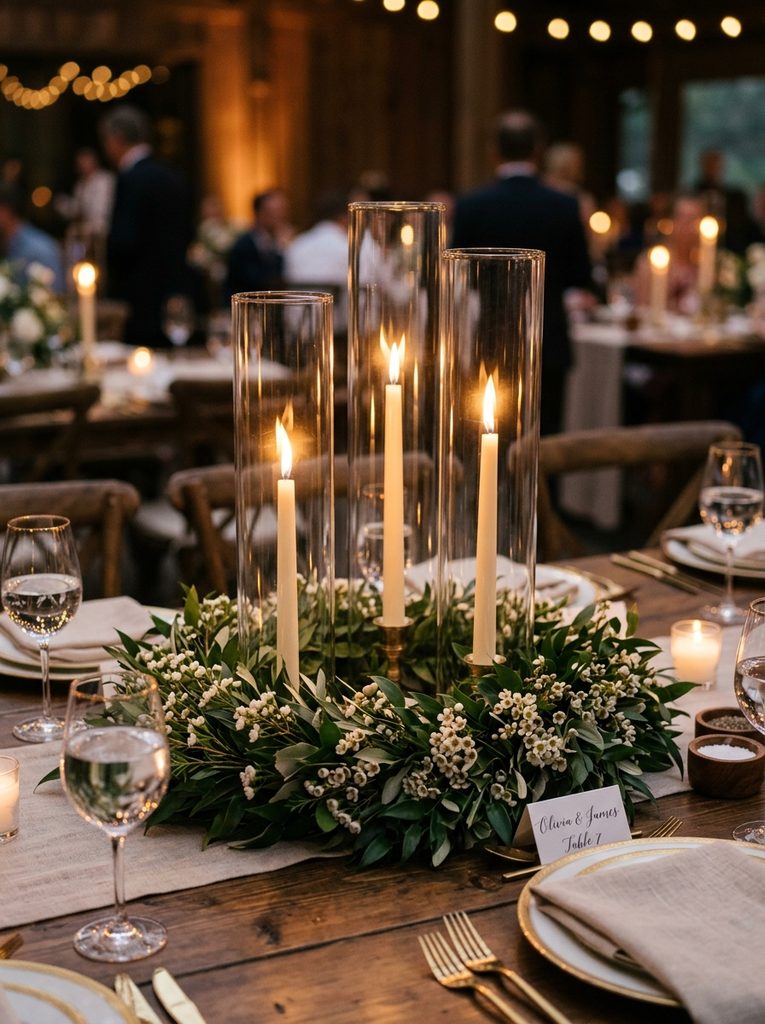
The taper candle surround with woven greenery ring balances tall, luminous candlelight with grounded, protective botanical layering. Positioning slender taper candles inside glass chimney cylinders shields open flames from cross breezes while casting a radiant glow across the surrounding woven foliage. The encircling botanical wreath provides a lush foundation, softening the hard edges of the hurricane glass and anchoring the vertical illumination within a garden frame. By relying primarily on resilient green foliage and petite accent flowers, this centerpiece maintains structural integrity across long receptions without requiring heavy water reservoirs. It establishes an intimate, romantic atmosphere across reception dining spaces, especially when venue lighting dims during dinner service.
Begin by placing three heavy-base glass chimney cylinders of varied heights along the center of the reception table. Mount dripless wax taper candles inside the base of each hurricane glass using floral wax dots, ensuring wicks sit centered within the glass. Form a circular wreath framework around the glass trio using flexible grapevine or paddle wire shaped to match the table footprint. Weave long branches of Italian ruscus, seeded eucalyptus, and myrtle through the wire ring, layering stems in one uniform direction to establish smooth visual flow. Fasten stems securely with thin paddle wire, concealing all binding points beneath overlapping foliage layers as you encircle the base. Nest resilient wired blossoms—such as spray carnations, wax flowers, or miniature garden roses—into the foliage weave, ensuring no petals touch hot glass surfaces.
Common Beginner Mistakes and How to Avoid Them
The most frequent misstep in amateur floral design is neglecting foundational post-harvest flower conditioning, resulting in premature wilting before the reception begins. Many beginners arrange blooms immediately upon retail purchase without trimming stems, removing lower foliage, or allowing flowers to hydrate in cold, nutrient-treated water. Always condition raw botanical stems for a minimum of four to six hours prior to final container arrangement. Another widespread error is constructing oversized centerpieces that obstruct seated guest sightlines across dining tables, disrupting cross-table social conversation during dinner service. Centerpieces should remain below fourteen inches or elevate above twenty-four inches from the tabletop to maintain clear, open visual fields for seated diners. Beginners also frequently overlook the weight and stability of floral mechanics, causing tall arrangements to tip when tables are bumped. Weigh down top-heavy vases with clean river stones or secure pin frogs with waterproof adhesive putty to prevent structural balance issues. Finally, avoid placing floral arrangements near drafty air conditioning vents, direct sunny windows, or open catering buffet warmers, as fluctuating ambient temperatures dehydrate fragile petals rapidly.
Practical Tips for Better Results
Achieving professional floral results on your reception tables depends on systematic tool selection, stem processing techniques, and environmental temperature management during production. Invest in bypass floral pruners rather than household craft scissors, as standard blades crush delicate vascular stem tissue and impede essential water uptake. When cutting stems, always slice at a steep forty-five-degree angle to expand the hydrating surface area and prevent stems from resting flat against vessel bottoms. Utilize flower food packets strictly according to package measurements, as improper concentrations foster bacterial colonization or scorch tender vegetative stems. Group flowers by botanical durability during assembly, prioritizing long-lasting base foliage before inserting fragile focal blooms like garden roses, dahlias, or ranunculus. Maintain room temperatures between sixty and sixty-five degrees Fahrenheit in your storage staging area, misting completed arrangements with commercial anti-transpirant spray to preserve petal moisture. When arranging symmetrical or organic forms, periodically step back four feet and view the container from seated eye level to verify visual balance and coverage. Preparing an emergency repair kit with extra floral tape, pre-cut chicken wire, spare water vials, and backup stems ensures swift fixes during onsite table setup.
Styling, Presentation, or Organization Ideas
Elevating centerpieces from standalone floral arrangements into cohesive reception tablescapes requires thoughtful integration with ambient lighting, table linens, and dining place settings. Pair low-profile floral compotes with neutral linen runners—such as stone-washed flax, raw silk, or unbleached cotton—to create visual texture beneath ceramic vessels. Introduce multi-tiered ambient illumination around each centerpiece by arranging ribbed glass votives, tea lights, and slender taper candles in complementary brass or ceramic holders. Coordinate the dominant hues of your focal blooms with custom paper goods, picking up accent tones in printed dinner menus, place cards, and calligraphed table numbers. Ensure the scale of your centerpiece matches the table geometry: elongated wooden banquet tables require continuous runners or repetitive bud vase groupings, whereas round banquet tables benefit from single, cohesive central focal bowls. Leave adequate functional clearance around every arrangement to accommodate wine glasses, bread plates, shared platters, and flatware without crowding the floral boundaries. By carrying consistent design accents—such as matching metallic finishes or repeating foliage varieties—across place settings and stationery, you produce a unified, magazine-worthy reception tablescape.
Budget or Time Planning
Careful budget allocation and disciplined scheduling prevent unnecessary financial strain and last-minute assembly fatigue when producing your own wedding flowers. Allocate seventy percent of your floral budget toward primary focal flowers and structural greenery, reserving thirty percent for vessels, mechanical wire, floral tape, and hydration supplies. Order botanical materials fifteen percent above calculated stem requirements to absorb natural shipping loss, broken stems, or unexpected assembly replacements without emergency store trips. Establish a structured production schedule: assemble dry mechanics, cut chicken wire, and label containers five to seven days prior to the wedding date. Collect or receive wholesale floral shipments two days before the event, spending that initial day cutting, sanitizing, and conditioning all stems in nutrient-balanced water. Execute centerpiece arranging one day prior to the celebration, delegating assembly tasks across family members using pre-established recipe cards detailing exact stem counts per container. On the wedding morning, focus exclusively on transportation and onsite table placement, utilizing shallow plastic storage crates lined with non-slip grip mats to prevent containers from shifting during vehicular transport.
Creative Expansion and Advanced Inspiration
Once you master fundamental floral mechanics, experiment with advanced artistic variations by introducing architectural textures, dried botanicals, and fruit accents into your designs. Combine preserved elements—such as bleached ruscus, dried pampas grass plumes, and sun-cured palm fans—with fresh garden roses to yield an artful, multi-dimensional aesthetic. Incorporate organic orchard elements, like miniature crabapples, flowering blackberry brambles, or trailing grapevines, to introduce loose, seasonal woodland charm to standard summer arrangements. For dramatic visual impact, paint select varieties of structural foliage using specialized floral design tinting sprays in muted tones like champagne gold, dusty terracotta, or matte sage. Extend your tabletop floral theme into aerial reception spaces by suspending matching botanical clouds or greenery-wrapped hoops directly above the central dining or head tables. You can also craft custom colored wax dip treatments on vessel bases or display hand-thrown ceramic containers tailored to your exact reception color scheme. These personalized, creative enhancements elevate traditional DIY centerpiece projects into sophisticated installations that reflect individual style throughout the wedding space.